Dress Ratios That Flatter Every Height
Step into a smarter way of getting dressed: we’re exploring outfit ratios for different heights, focusing on silhouette balance from petites to tall frames. Learn how the one third to two thirds rule, golden ratio cues, hemlines, and vertical lines can change how tall you appear, spotlight your favorite features, and make everyday outfits look intentional, modern, and comfortable without sacrificing personality.
Seeing Proportion Before Color
The One-Third to Two-Thirds Rule in Action
Divide your visual height into a shorter section and a longer one for instant harmony. A cropped jacket with high-rise trousers creates a succinct upper third and elongated lower two thirds. Reversing it can spotlight dramatic skirts. This simple distribution frames movement, keeps outfits from looking blocky, and flatters both petite and tall bodies gracefully.
Golden Ratio Clues for Everyday Outfits
The golden ratio, about sixty-one point eight percent to thirty-eight point two percent, appears across nature and design. Applying a similar relationship to top and bottom lengths subtly pleases the eye. For example, longer knit over slim pants, or shorter tee with fuller midi. The math guides proportion, but your mirror confirms what truly sings.
Vertical Versus Horizontal Lines and Illusions
Vertical elements draw the eye upward, suggesting height and ease, while horizontal breaks can stabilize or truncate. A belt, contrasting hem band, or boot shaft forms a visual stop. Use vertical seams, open cardigans, or long scarves to lengthen. Balance happens by choosing where to add continuity and where to place gentle, intentional interruption.
Strategies That Lengthen Without Heels
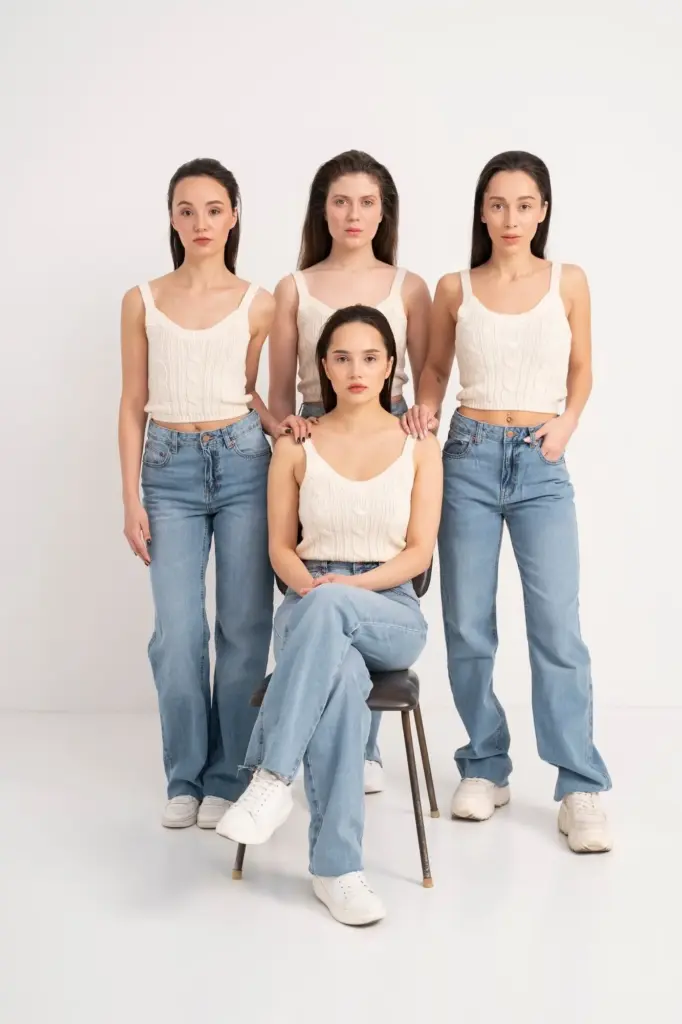
Petites often benefit from maximizing the leg line and minimizing visual breaks. That does not mean avoiding volume or long layers; it means deciding where they live. High rises, cropped or tucked tops, monochrome columns, and low-contrast shoes create calm lines. With these foundations, playful shapes and textures read elegant rather than overwhelming or heavy.
Raise the waist to where your body naturally narrows, then finish with a jacket or cardigan ending near the lower ribs. This curates a concise upper zone and long lower zone. Even with flats, legs appear extended. Add a thin belt tone-on-tone to reinforce the shape without inserting a harsh horizontal interruption.
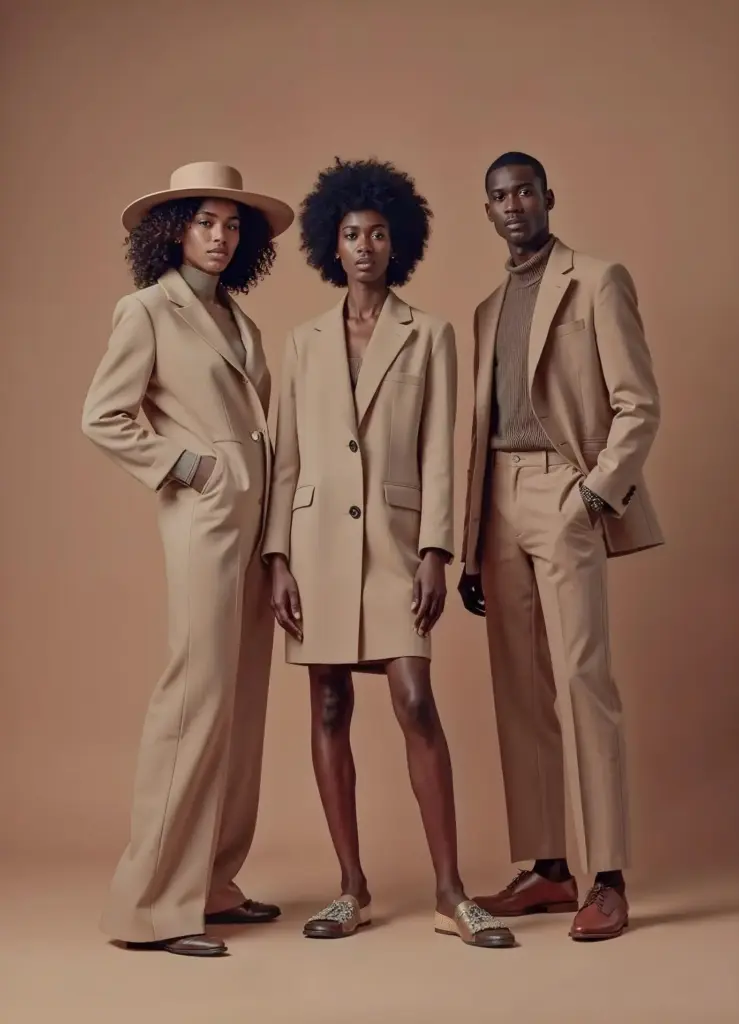
Dressing in one color family from shoulder to shoe keeps the eye moving unbroken. Layer a similarly toned blazer, then experiment with texture changes for depth. The result feels taller, sleeker, and surprisingly dynamic. If you crave contrast, keep it near the face with earrings, lip color, or a scarf, preserving the streamlined path below.
Fine-Tuning for Mid Heights
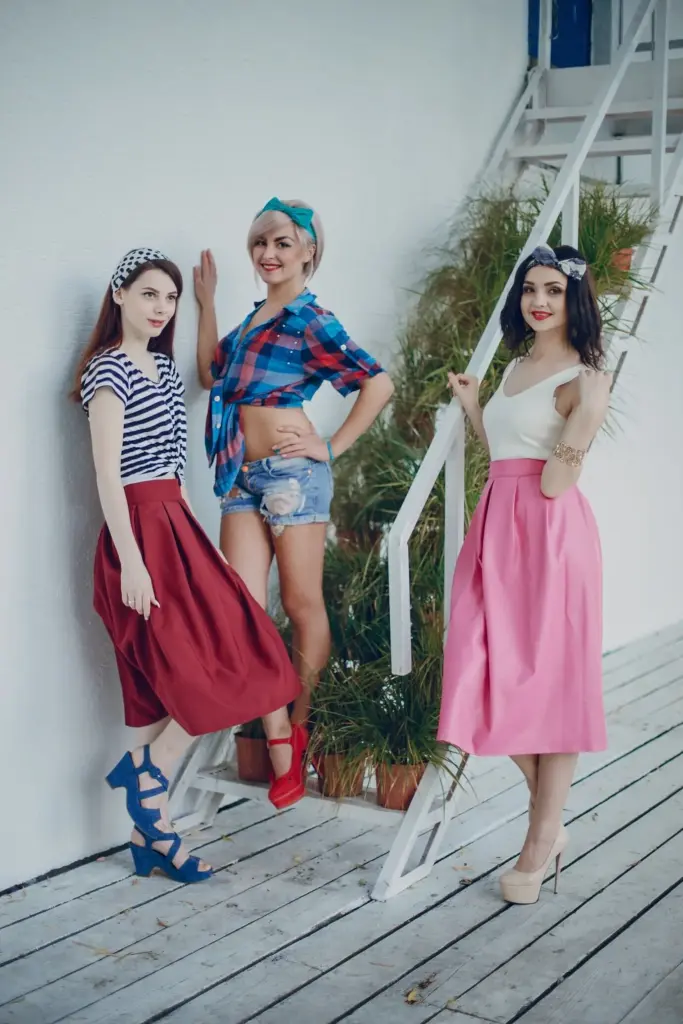
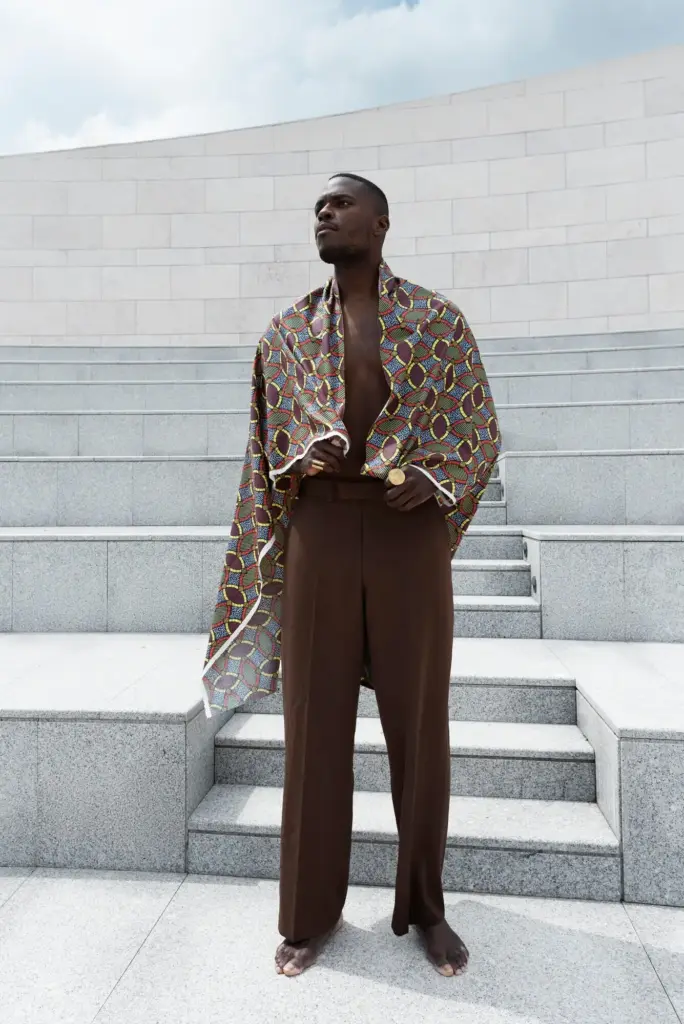
Average-height dressers have broad flexibility, yet proportion still decides polish. Use belts to reposition the eye, swap jacket lengths to rebalance outfits, and choose pattern scales that harmonize with your frame. On days you want grounded ease, explore a gentle half to half split; on days needing lift, lean on the classic one-third to two-thirds.
Balancing Abundant Vertical Space
Tall frames look striking, yet uninterrupted verticals can feel stark. Soften length by inserting considered breaks: color-blocking, textural contrast, or layered hems. Mid to lower rises can temper extremely long legs, while fuller silhouettes counteract narrowness. Accessory scale grows comfortably larger, anchoring the look without swallowing presence. Control is achieved through deliberate segmentation.
Boots With Midi and Mini Lengths
Knee-high boots under midis extend the leg like a smooth column, especially when matched in color. Ankle boots can interrupt unless shafts meet hemlines intentionally. Minis welcome most boot heights when the gap is either minimal or purposefully generous. Balance heel weight with skirt volume so movement feels powerful, not wobbly or visually top-heavy.
Coat Lengths That Respect Your Lines
A coat ending at mid-thigh often flatters many heights, while dusters create dramatic length best segmented by belts or color changes. Cropped jackets energize high rises; hip-length styles suit relaxed splits. Test closure and open drape, because both rewrite proportions. Photograph outfits indoors and outdoors, where daylight sharpens edges and reveals surprisingly different balances.
Layering for Weather Without Losing Balance
Cold days invite bulky stacks that can skew ratios. Keep inner layers slim to preserve line, then add one statement insulation piece. Align hems so only one layer finishes at a strong horizontal. Use scarves to draw vertical paths, and choose glove or sleeve lengths that avoid accidental cuts at mid-forearm or widest hand point.
Shoes, Coats, and the Invisible Lines They Draw
Footwear and outerwear quietly redraw body ratios. Boot shafts meet hemlines to create either seamless length or deliberate breaks. Coats end at points that elongate or compress. Matching tights or pants to shoes keeps momentum; contrasting picks create punctuation. Understanding these junctions helps each layer serve your proportions while honoring comfort, weather, and personality.
From Mirror Math to Real-Life Wins
Case Study: A Week in a Petite Office Wardrobe
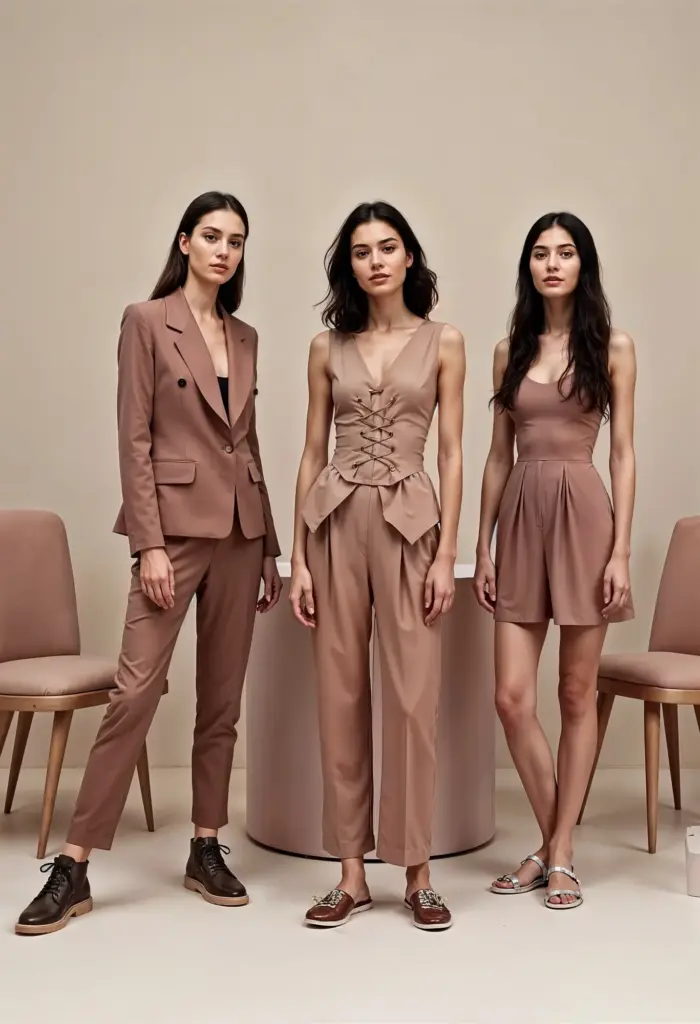
A five foot two professional tried high-rise trousers, cropped cardigans, and monochrome columns. Photos confirmed longer-looking legs and relaxed shoulders. Swapping rounded-toe flats for pointed pairs sharpened lines without adding heel height. By Friday, she reported fewer morning decisions, more compliments, and the confidence to reserve color contrast above the waist for energetic meetings.
Case Study: Tall Creative Capsule Refresh
A six foot designer segmented vertical space with mid-rise jeans, cuffed hems, weighty loafers, and a belted long cardigan. Color-blocked tees created intentional breaks. Larger-chain necklaces and substantial belts finally matched scale. The result looked designed, not accidental. Colleagues noticed presence rather than only height, and getting dressed felt like arranging shapes, not hiding length.
Five-Minute Mirror Math Exercise
Stand naturally, then mark where your top ends and where your bottoms begin. Adjust hems or tucks until one section visually reads shorter. Test three shoe options and one belt. Snap quick photos. Choose the image where your posture relaxes. Repeat weekly. Small, consistent calibrations build an internal compass that outlives any fleeting trend.
Common Pitfalls and Fast Fixes
Misplaced horizontals can cut the body unexpectedly, and overly equal halves often feel stagnant. Learn to shift a tuck, change a belt width, or swap shoe color for instant improvement. These micro-corrections rescue rushed mornings. Keep a short checklist near your mirror, and invite friends or our community to pressure-test new combinations with kindness.
All Rights Reserved.