Scale Savvy: Accessories That Flatter Your Frame
Welcome! Today we’re diving into Scaling Accessories: Matching Bag Size, Belt Width, and Heel Height to Body Proportion, turning small styling choices into big visual harmony. Expect friendly guidance, simple measuring tricks, and real-life examples that make getting dressed easier, more expressive, and surprisingly scientific. Bring your favorite bag, belt, and heels to compare as we explore practical ratios, comfort checks, and confident decisions you can put to work immediately.

Proportion 101: Reading Your Frame

Before choosing accessories, learn how your body visually balances itself. We’ll look at shoulders, torso length, rise, hip width, and leg proportion, then translate those observations into workable accessory scale. This isn’t about perfection; it’s about harmony. Once you see why certain sizes sing on you, shopping becomes calmer, smarter, and far more intentional.
Grab a tape, mirror, and a notepad. Measure shoulder span, natural waist position, and inseam. Note your head size relative to shoulders, because bags and belt buckles near the face echo those dimensions. Jot where your torso visually divides, so you’ll understand which accessory widths and drop lengths feel balanced without overwhelm or fuss.
Your strongest visual anchors guide scale choices. Broad shoulders can support bolder straps and bags with presence; narrower frames often thrive with slim, sleek lines. Shorter torsos prefer refined belt widths to avoid crowding, while longer torsos welcome wider cinches. Leg proportion influences heel height, helping align posture, stride, and the feel of your overall silhouette.

Bags That Balance Your Silhouette

Bags do more than carry life’s essentials; they frame your torso and influence posture. Focus on size relative to your upper body, strap length relative to your torso breaks, and structure relative to softness in your clothing. Small faces and narrow shoulders often glow with compact, structured pieces, while roomy frames absorb volume beautifully without losing refinement.

Scale, Volume, and Placement

Consider bag height, width, and depth as a visual package. Petite frames usually prefer smaller to medium volumes that don’t swallow the torso. Larger frames handle medium to oversized bags with ease. Placement matters too: where the bag rests becomes a visual focal point, so keep it slightly above or below your widest area to avoid unintended emphasis.

Strap Length and Body Lines

Strap drop interacts with your natural breaks—shoulder line, bust apex, waist, and hip curve. Crossbody straps slicing directly across a fuller bust may create clutter, while slightly shorter or longer adjustments can restore clean diagonals. For shorter torsos, keep straps a touch shorter to avoid compressing space; longer torsos handle extra length with graceful proportion.

Belts That Define Without Overpowering
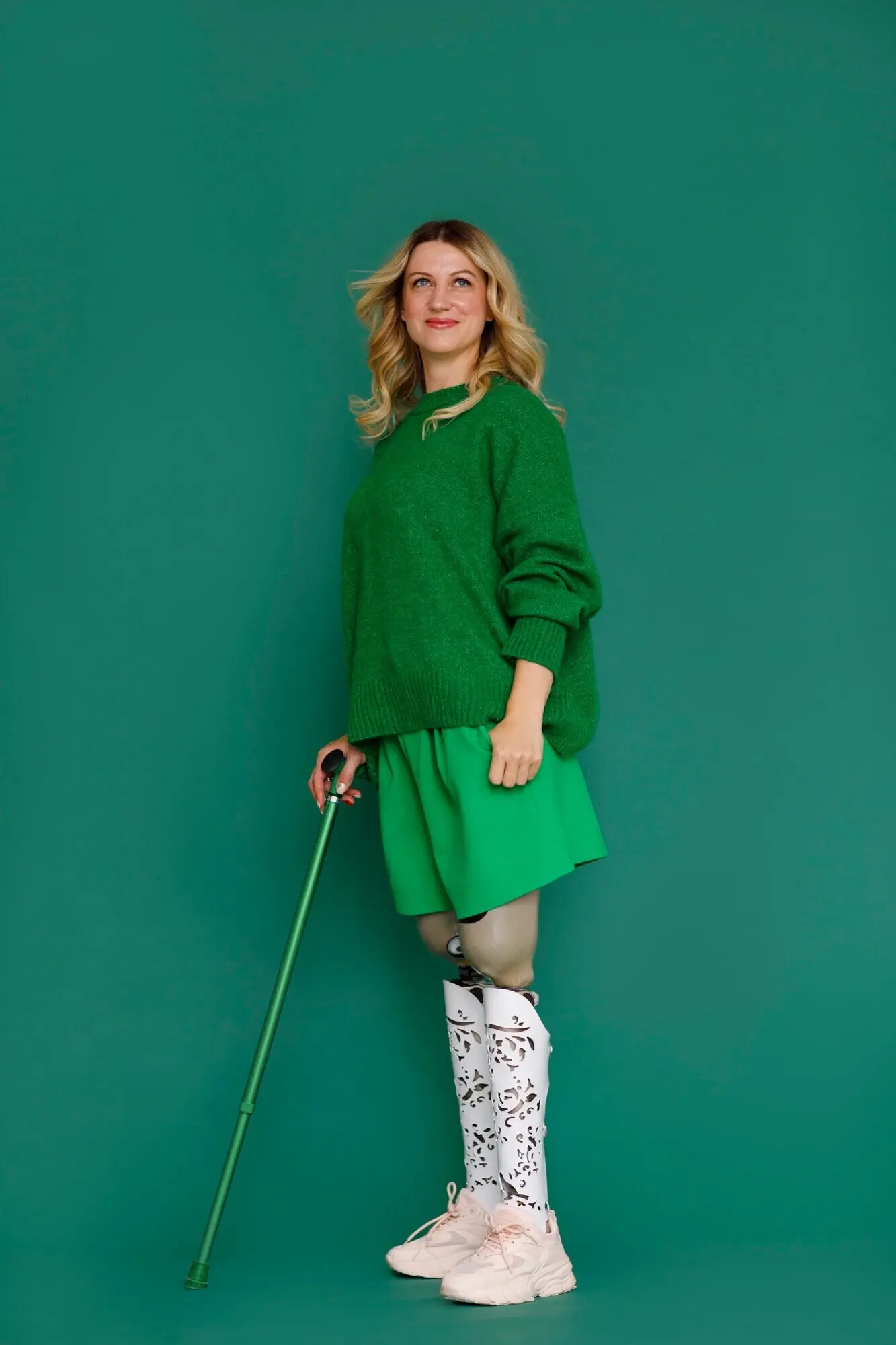
Belts are small but mighty. Width, placement, and buckle scale can carve a waist, elongate legs, or refine layers. Consider your torso length first, then evaluate how the belt interacts with rises, dresses, and jackets. When chosen thoughtfully, a belt whispers structure, creating rhythm between garments rather than shouting for attention.

Heels for Harmony and Comfort

Heel height and shape subtly redirect proportions from the ground up. Balance your calf length, ankle stability, and daily movement. It’s not just about inches; pitch, toe shape, and base width influence posture and confidence. Find your steady sweet spot, then vary styles—block, wedge, kitten, or stiletto—according to outfit architecture and activity level.

Color, Contrast, and Texture Scale

Beyond size, visual weight comes from contrast and texture. High-contrast accessories pull focus; low-contrast ones lengthen and blend. Texture scale should match your frame: finer weaves, smaller prints, and delicate grain flatter smaller features, while bolder textures complement stronger lines. Unify metals and finishes to simplify the look, amplifying intentionality over noise.

Real-Life Formulas, Stories, and Quick Checks

Turn insight into action with easy ratios and relatable experiences. We’ll share compact formulas for bag scale, belt width, and heel height, plus before-and-after snapshots from readers who discovered balance by tiny tweaks. Test-drive the ideas at home, then tell us what changed; your questions, photos, and wins can guide future deep dives.

Speed Formulas You Can Actually Use

Try these starting points: bag height roughly one to one-and-a-half times your hand length for everyday balance; belt width narrower if your torso is short, wider if it is long; heel height that preserves a natural stride, often between two and six centimeters for comfort. Adjust based on fabric bulk, activity, and your visual goals.

Before-and-After Anecdotes

A reader swapped an oversized slouchy tote for a structured mid-size bag and instantly looked taller. Another moved from a chunky belt to a medium width and watched her waist reappear under blazers. One more changed heel pitch, not height, and walked comfortably all day. Small edits, big clarity—proof that proportion multiplies style effortlessly.

Try-It Challenge and Share Back

Stand in front of a mirror with two bags, two belts, and two heel styles. Photograph each option and notice how your eye travels. Keep the pieces that support posture and calm the outfit’s lines. Comment with your discoveries, measurements, and questions, and subscribe for weekly proportion drills, seasonal updates, and personalized breakdowns we’ll craft together.

Zavovexotelinarikaroviro
Privacy Overview

This website uses cookies so that we can provide you with the best user experience possible. Cookie information is stored in your browser and performs functions such as recognising you when you return to our website and helping our team to understand which sections of the website you find most interesting and useful.