Face-Centered Beauty, Perfected by Proportion

Welcome to an uplifting exploration of Face-Centered Beauty: Haircuts, Brows, and Contouring Guided by Classical Facial Ratios, where artistry meets anatomy to create choices that feel natural, flattering, and deeply personal. Together we will learn gentle, practical ways to see your unique structure, work with proportion rather than against it, and apply timeless rules with modern flexibility. Expect friendly measurement tips, stylist-tested strategies, inclusive perspectives, and engaging stories that transform mirrors from critics into collaborators while inspiring you to comment, ask questions, and shape our shared learning.

Seeing Proportion Like an Artist

Before scissors, pencils, or brushes come near your face, learning to truly see proportion changes everything. Classical ratios like the golden number, facial thirds, and facial fifths create reliable navigational lines, yet your living features—texture, expression, and asymmetry—bring character that math alone cannot define. We will blend intuitive observation with gentle measuring, honoring history without becoming rigid. This mindset invites curiosity, reveals subtle possibilities, and sets you up to select haircuts, brow designs, and contour placements that look effortlessly harmonious in real life and photographs.

Mapping the Golden Path

Artists often reference the golden ratio, approximately 1.618, to understand pleasing relationships between lengths and widths. On faces, it appears in the spacing between features, the flow from hairline to chin, and the curve harmonies that guide how we place volume or light. You will learn to sketch soft guidelines, compare distances gently, and use this insight not to chase perfection, but to support balanced impressions that feel calm, confident, and unmistakably you.

Thirds and Fifths in Real Life

Vertical thirds divide the face from hairline to brows, brows to base of nose, and base of nose to chin; horizontal fifths often align eye width with the spacing across the face. These models help locate where length should be emphasized or softened through hair, brows, and makeup. Rather than forcing exact equality, we interpret tendencies: slightly short upper third might welcome lighter fringe; wider mid-fifth area might prefer airy sides. Proportion becomes a compass, never a cage.

Haircuts That Harmonize
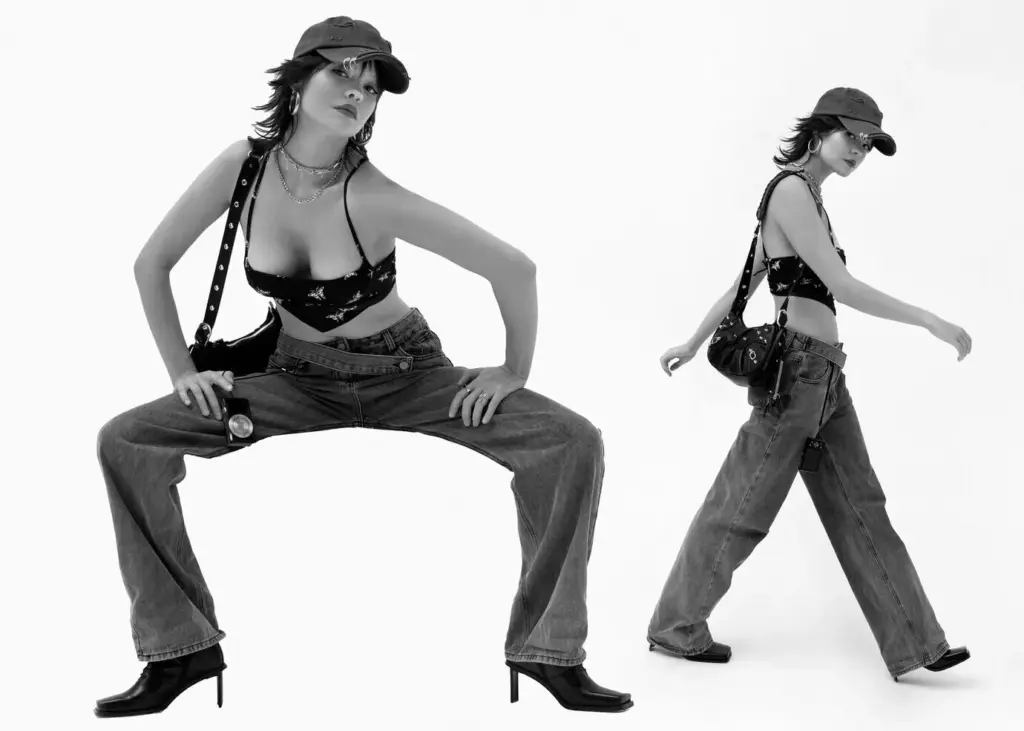
A haircut can amplify balance, redirect attention, or soften strong lines with extraordinary subtlety. Consider length as a lever, weight lines as signals, and texture as atmosphere. Through proportion-aware choices—like adjusting the drop of a bob to respect vertical thirds or shaping layers to support facial fifths—you can change how light travels across your features. This section translates measurement into movement, showing you how fringe decisions, part placement, and volume distribution create a natural visual poem that flatters from every angle.

Brows as Architectural Lines

Brows are the quiet architects of facial expression, guiding how the eyes read across thirds and fifths. Thoughtful calibration of start, arch, and tail can center attention, open the gaze, and harmonize width. Instead of chasing trends, we will ground decisions in bone structure, hair density, and skin undertone, shaping lines that blend classical guidelines with your natural growth. Expect clear measurement tips, product advice, and maintenance strategies that keep results polished yet believable on busy mornings.

Start, Arch, and Tail Landmarks

A simple pencil helps find landmarks: align from nostril to inner corner for the start, nostril through iris edge for the arch, and nostril through outer corner for the tail. Adjust these slightly for spacing, socket depth, and eyelid shape. Shortening the tail can lift heavy outer corners; a soft arch placed just beyond the iris can create calm openness. Micro refinements matter more than millimeters. We aim for brows that guide attention to your eyes without overpowering them.

Thickness and Tint Strategy

Thickness should respect forehead height and eye size: fuller brows stabilize tall foreheads and larger eyes, while finer brows can relax shorter upper thirds or smaller features. Tint and tone influence perceived density and contrast; slightly cooler tones suggest structure, warmer tones suggest softness. By balancing shade with hair color and skin undertone, you prevent harsh outlines and maintain continuity. The goal is convincing texture, gentle dimension, and arches that collaborate with your haircut and contouring plan.

Microblading, Lamination, and Maintenance

Semi-permanent options can solve sparse zones or asymmetry when used thoughtfully. Microblading mimics hair strokes for definition; lamination redirects coarse hairs to fill gaps; tinting enhances depth with minimal effort. Maintenance focuses on restraint: remove only what disturbs line harmony; keep hydration to calm delicate skin. Pair professional services with daily grooming, light pencil strokes, and clear gel, then reassess seasonally as haircuts, sun exposure, or skincare routines shift your overall balance.

Contouring, Highlighting, and Blush Placement

Light, Shadow, and Midtones

Contour subtly recedes, highlight advances, and midtones bridge them convincingly. Place contour beneath cheekbones that sit high or wide, tapering near the ear to avoid muddy buildup. Highlight the upper cheek where light naturally lands, and consider a whisper on the brow bone to open eyes. Keep the nose gentle—two softened lines and a diffused tip adjust length without stiffness. Balance is achieved when no single element demands attention; everything reads as seamless structure.

Tools, Textures, and Undertones

Creams melt into skin and flatter dry or mature textures; powders add longevity and control on combination or oily types. Brushes with tapered edges prevent stripes, while damp sponges erase edges instantly. Choose contour slightly cooler than your foundation to imitate real shadow; highlights should shimmer softly without sparkle overload. Undertone consistency keeps the face coherent, ensuring blush, lip, and even hair color sit in the same visual universe. Harmonized materials make proportion believable all day.

Everyday Routines and Event Looks

For weekdays, invest in three moves: a sculpting pass under the cheekbone, a bright touch on the upper cheek, and a blush placement aligned with your vertical thirds to decide lift or width. For events, stack techniques intentionally—soft jaw contour for definition, refined nose shading, and an extra veil of targeted highlight. Photograph under different light to confirm edges. You will look structured yet approachable, with each step grounded in your personal map rather than fleeting trends.

Case Studies from the Chair

Real transformations illustrate how proportion-guided choices feel lived-in and kind. In these stories, clients sought subtlety, not spectacle, and discovered how small calibrations—shifting a part, trimming a tail, placing a blush—rewrite balance instantly. Each example pairs measurements with lifestyle, texture, and personality, proving that formulas must flex. You will find takeaways you can try today and prompts to share your own photos or questions in the comments, turning observation into a supportive, ongoing conversation for everyone reading.

The Two-Mirror Measurement Guide

Stand between two mirrors for side and front views. Locate hairline, brow line, base of nose, and chin to sketch vertical thirds; then estimate horizontal fifths using eye width as a reference. Photograph neutrally, then with your favorite expression to see how muscles shift apparent ratios. Mark small dots with removable eyeliner, experiment with parting changes or mock fringe, and record what softens or sharpens features. Iteration, not perfection, brings dependable clarity and confidence.

Phone Camera Pro Tips

Place the camera at eye level, arm’s length or on a tripod, and use natural window light at a slight angle for honest shadows. Avoid wide lenses close to the face, which exaggerate central features and distort proportions. Capture straight-on, three-quarter, and profile shots. Annotate with drawing tools to note brow landmarks, contour areas, and haircut edges. Review over a week to confirm consistency. Invite supportive feedback from our readers to validate findings and refine choices.

Culture, History, and Evolving Ideals

Ideas about proportion have traveled from ancient canons to Renaissance studies to contemporary photography and social media, shifting with culture and technology. While the golden ratio fascinates, lived beauty thrives in variety, resilience, and expression. We approach guidelines as invitations, not verdicts, and listen to heritage, gender expression, and personal comfort. This lens encourages consent, transparency, and mental well-being. Share your experiences, questions, or family traditions below, helping us chart a kinder, broader map of what looks and feels right today.

01

From Polykleitos to Portrait Mode

Classical sculptors explored ideal relationships in the human form, later inspiring Renaissance anatomists to study proportion with intense curiosity. Today, cameras and filters alter how we perceive symmetry, sharpening or smoothing reality in seconds. Understanding historical ideals equips us to evaluate modern images critically, borrowing what serves and discarding pressure. By anchoring choices in your measurements and spirit, not fleeting optics, you create results that outlast algorithms and remain steady across light, trends, and seasons.

02

Cross-Cultural Perspectives on Balance

Different cultures celebrate different balances: strong brows signaling power, smooth foreheads suggesting composure, curls honored for vitality, or intricate partings symbolizing care. Learning from these perspectives adds generous flexibility to proportion work. Instead of one narrow finish line, we gain a gallery of possibilities, each guiding hair, brows, and contouring in respectful ways. Your routine can echo heritage or curiosity, mixing references thoughtfully while still consulting classical ratios as supportive, universal scaffolding beneath personal meaning.

03

Ethics of Aesthetic Guidance

Any conversation about proportion must protect autonomy, mental health, and inclusivity. We avoid rigid prescriptions and encourage rest days, comfort-first styling, and transparent editing in before-and-after images. Practitioners should secure informed consent, honor gender expression, and design routines compatible with disability, texture, and time. Share boundaries and goals openly; ask for alternatives if a suggestion feels misaligned. Beauty feels safest and most brilliant when it respects dignity, amplifies choice, and sustains kindness over compliments.

Zavovexotelinarikaroviro
Privacy Overview

This website uses cookies so that we can provide you with the best user experience possible. Cookie information is stored in your browser and performs functions such as recognising you when you return to our website and helping our team to understand which sections of the website you find most interesting and useful.