Compose with Ratios, Breathe with Space
Today we dive into photography composition by ratio—working with aspect ratios, negative space, and the golden ratio—to guide attention, steady balance, and reveal emotion. Expect practical breakdowns, field-tested stories, and clear prompts you can try during capture and in post. From 3:2 frames that favor movement to square serenity and cinematic 16:9 sweeps, you’ll see how edges and emptiness cooperate. Bring curiosity, a charged battery, and a willingness to share results, ask questions, and refine choices. By the end, your eye will leave with dependable habits for any camera, device, or print.
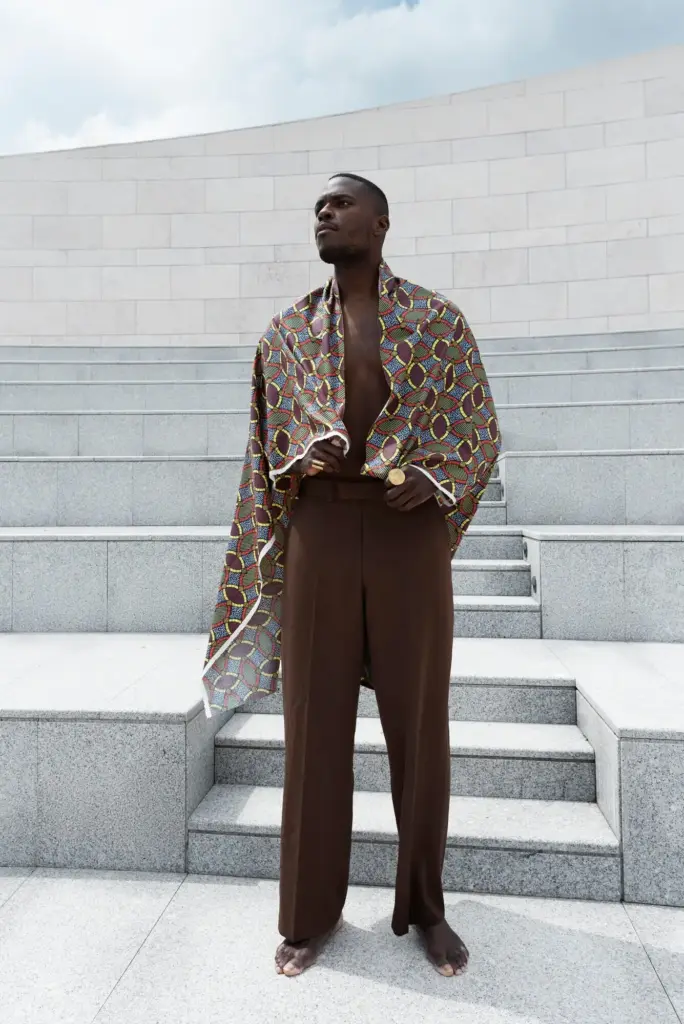
Lines, Balance, and Quiet Wonders
Aspect ratio sets the stage long before light reaches the sensor. Different proportions alter rhythm and tension the way musical meter shapes a melody. We will compare 3:2, 4:3, 1:1, 4:5, and 16:9 through real scenes—street corners, horizons, portraits—showing how edges choreograph meaning. Expect a seaside anecdote where a 3:2 horizon felt restless until a 4:5 crop grounded the sky, plus tips for planning in-camera versus refining later. Use these ideas to pre-visualize, reduce clutter, and anchor feeling with intention.

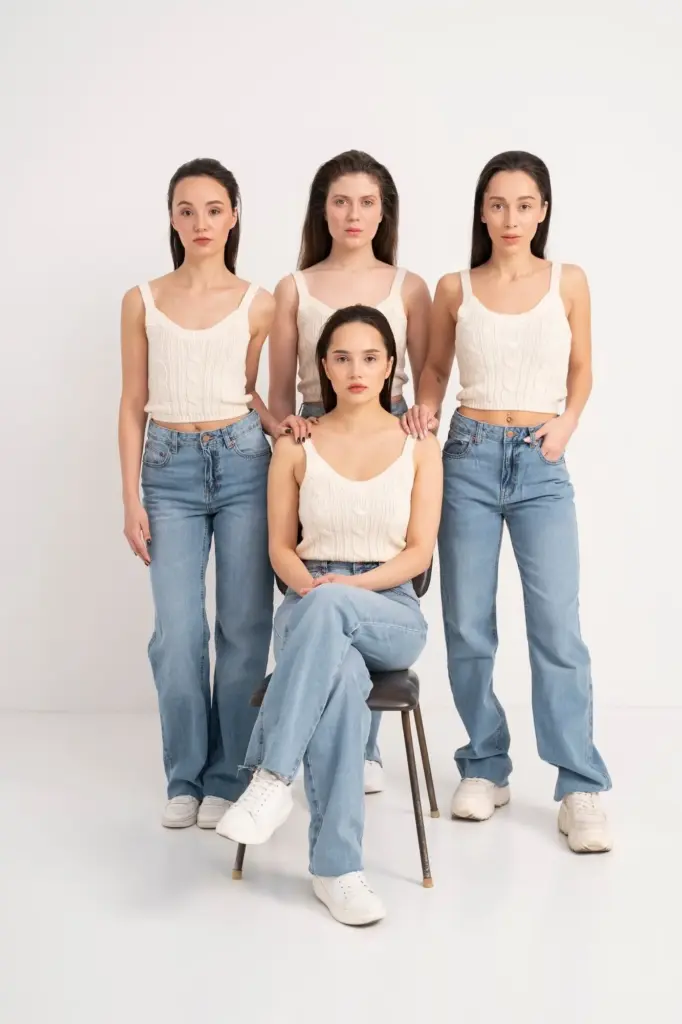
Breathing Room Around the Story
Negative space is not vacancy; it is intention, silence, and invitation. By expanding the quiet around a subject, you set a tempo that lets gestures land with clarity. We will examine minimalist streets, foggy piers, and clean backdrops to show how stillness sharpens narrative. Learn to protect backgrounds, expose for delicate midtones, and compose so the eye can rest. I will share how a lone umbrella on a storm beach felt heroic only after I stepped back, letting wind and white foam carry emotion.
Let emptiness become a storyteller. Place your main figure small so large skies or walls carry mood without competing details. Viewers naturally project meaning into big shapes, finding poetry in restraint. Use exposure to preserve subtle texture in the quiet, avoiding crushed blacks or chalky whites that erase atmosphere and nuance.
Minimalism thrives when every element earns its presence. Keep just enough context—texture in pavement, a hint of horizon, a soft shadow—to anchor reality. The trick is not subtraction alone, but purposeful absence. Ask: does this space clarify feeling, guide the gaze, and heighten subject intent, or simply create a hollow, unhelpful gap?
Guided by Hidden Spirals
The golden ratio and its spiral offer a gentle path for the eye, more organic than strict grids. While thirds are practical and fast, phi can feel natural in architecture, shorelines, and human movement. We will compare rule-of-thirds placements with phi grids and Fibonacci spirals, noting how curves lead attention through depth. Expect a staircase anecdote where a slight shift aligned the spiral to a banister, transforming confusion into grace. Use these tools as suggestions, not commandments, to orchestrate flow without stiffness.
From Thirds to Phi
Thirds divide the frame evenly; phi divides it like a whispered secret. Try enabling both overlays in your editor, shuffling a subject between intersections. Notice how thirds give stability while phi suggests a more lyrical pull. Some scenes welcome the predictability of thirds; others bloom when nudged by proportioned asymmetry.
Spiral Flow and Eye Travel
Imagine the viewer’s gaze as water slipping down a shell. Set anchors where the spiral tightens—eyes, hands, or a key texture—then place guiding details along the curve. Avoid clutter at the spiral’s mouth; it can stall movement. With practice, you will choreograph flow so curiosity glides, rests, and arrives satisfied.
Organic Patterns in Streets and Nature
Look for repeating curves in rivers, ramps, balconies, waves, and crowds. A fish market once gifted me concentric baskets that echoed the spiral perfectly, leading to a vendor’s smile at the core. When you spot patterns, slow down. Walk around them, squat, climb a step—let alignment reveal itself instead of forcing it.
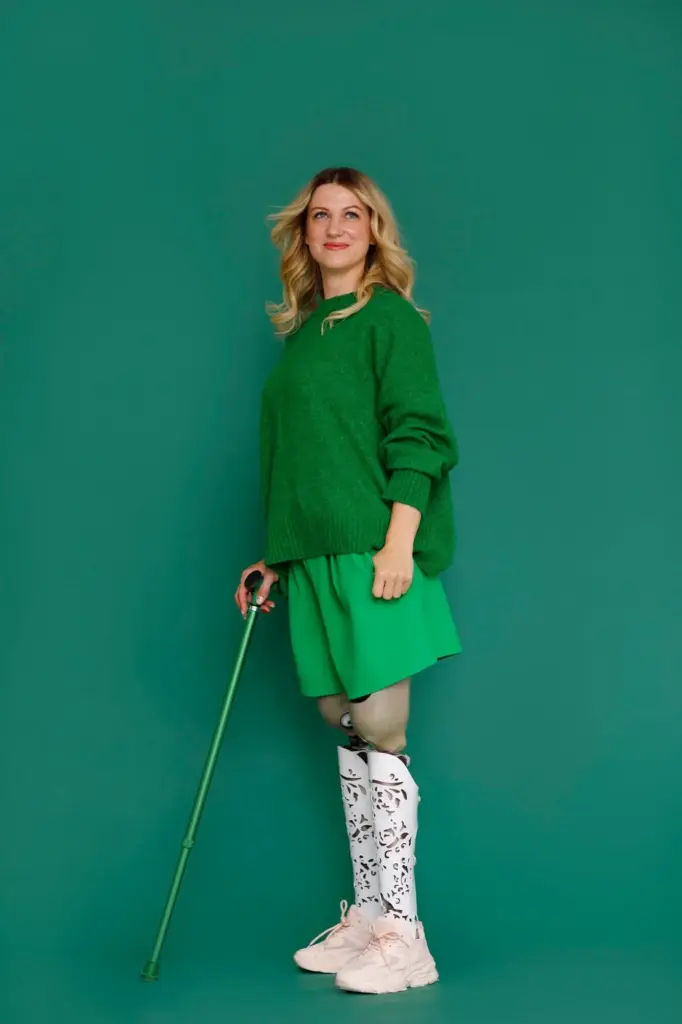
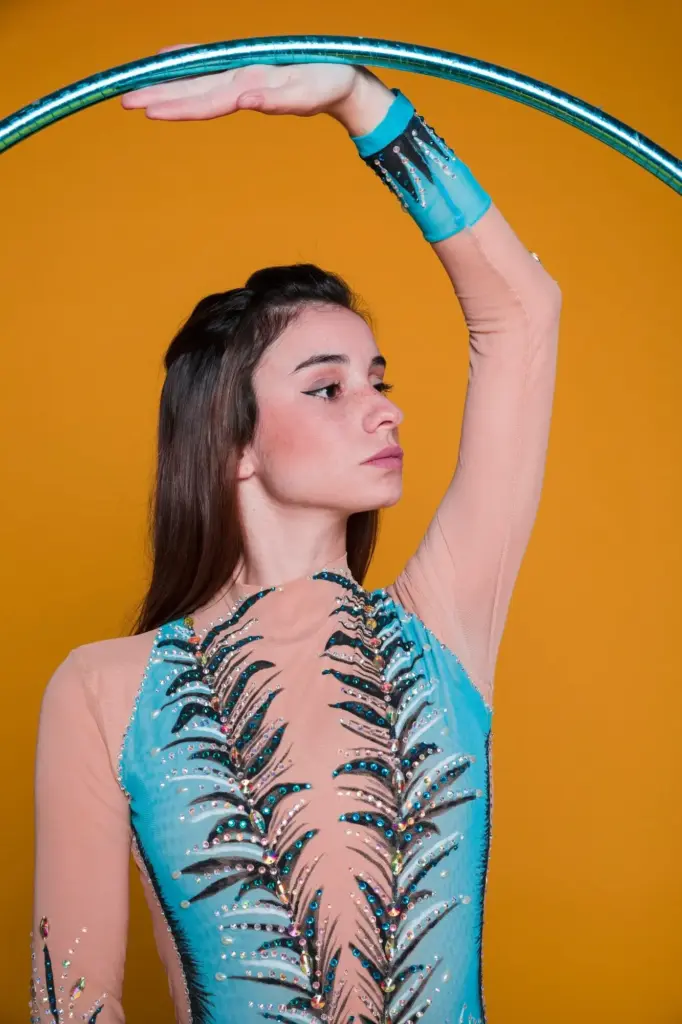

Motion, People, and Timing
Lead Room and Anticipation
Motion needs somewhere to go. Place extra space where the subject is heading, then watch how tension softens and storytelling clarifies. Test this with pets, joggers, or passing trains. If the frame feels cramped, nudge your cut wider in that direction, or step sideways to clean competing shapes that snag attention.
Layering Without Clutter
Use negative space to separate planes—foreground hints, midground subject, supportive background. A small shift can pull a lamppost off a shoulder or clear a face from a sign. When elements breathe, depth appears. Think of layers like harmonies; each voice must be distinct so the chord lands beautifully, not noisily.
Waiting for the Right Silence
Great timing often means waiting for a quiet background beat. Clouds part, a bus departs, a passerby pauses—suddenly the frame relaxes. Combine patience with pre-selected ratios in your mind, so when the silence arrives, your edges already agree. That small pause can turn almost-good into unforgettable with zero extra gear.
Refine with Edits and Feedback
Editing is composition’s second chance. Crops, local contrast, and tonal balance can amplify ratios and protect negative space. Try phi or thirds overlays, then dodge and burn to support the intended path for the eye. Keep an earlier version to compare honesty versus polish. Share before-and-after frames with us, invite critique, and subscribe for future deep dives. Conversation accelerates growth, making each choice more confident on your next walk with the camera.
Field Assignments and Lasting Habits
Practice turns ideas into reflexes. This week, rotate through specific aspect ratios, deliberate negative space choices, and at least one spiral-guided composition. Carry small index cards showing common cuts to pre-visualize. Review each day, asking what the edges protected, where the silence lived, and how the eye traveled. Share your three favorites with a short note, engage with replies, and subscribe for next week’s prompts that expand these foundations with fresh, joyful challenges.

All Rights Reserved.